Putting Up the Harvest: A Beginner’s Guide to Canning & Preserving
There’s something special about this time of year. Gardens are overflowing, farmers market baskets are full, and suddenly you have more cucumbers, tomatoes, sweet corn, and green beans than you know what to do with.
That’s where preserving comes in.
For generations, families have found ways to make the summer harvest last a little longer. And while canning may be the first thing that comes to mind, you can also freeze, dry, pickle, ferment, and even freeze-dry your favorite foods.
The best part? You don't need to be an expert—or have a kitchen full of equipment—to get started.
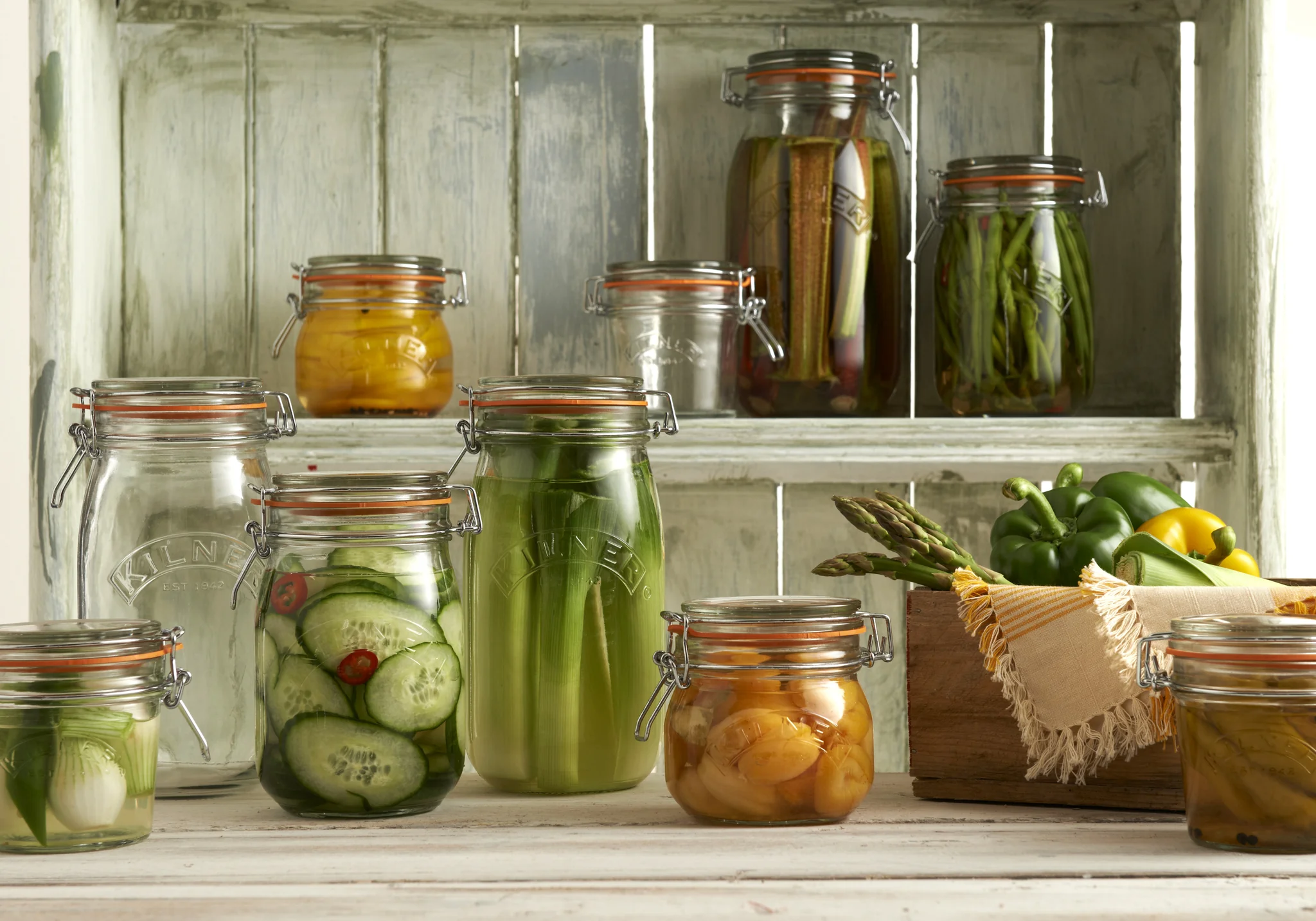
Canning 101
At its simplest, canning preserves food in jars by processing it with heat. There are two main methods:
Boiling-water canning is used for high-acid and properly acidified foods, including many fruits, jams, jellies, and pickles.
Pressure canning is required for low-acid foods such as plain vegetables, meats, poultry, and seafood.
Whichever method you're using, always follow a current, tested canning recipe. The proper acidity, preparation, and processing time are important for food safety.
Do I Need a Special Water-Bath Canner?
Not necessarily!
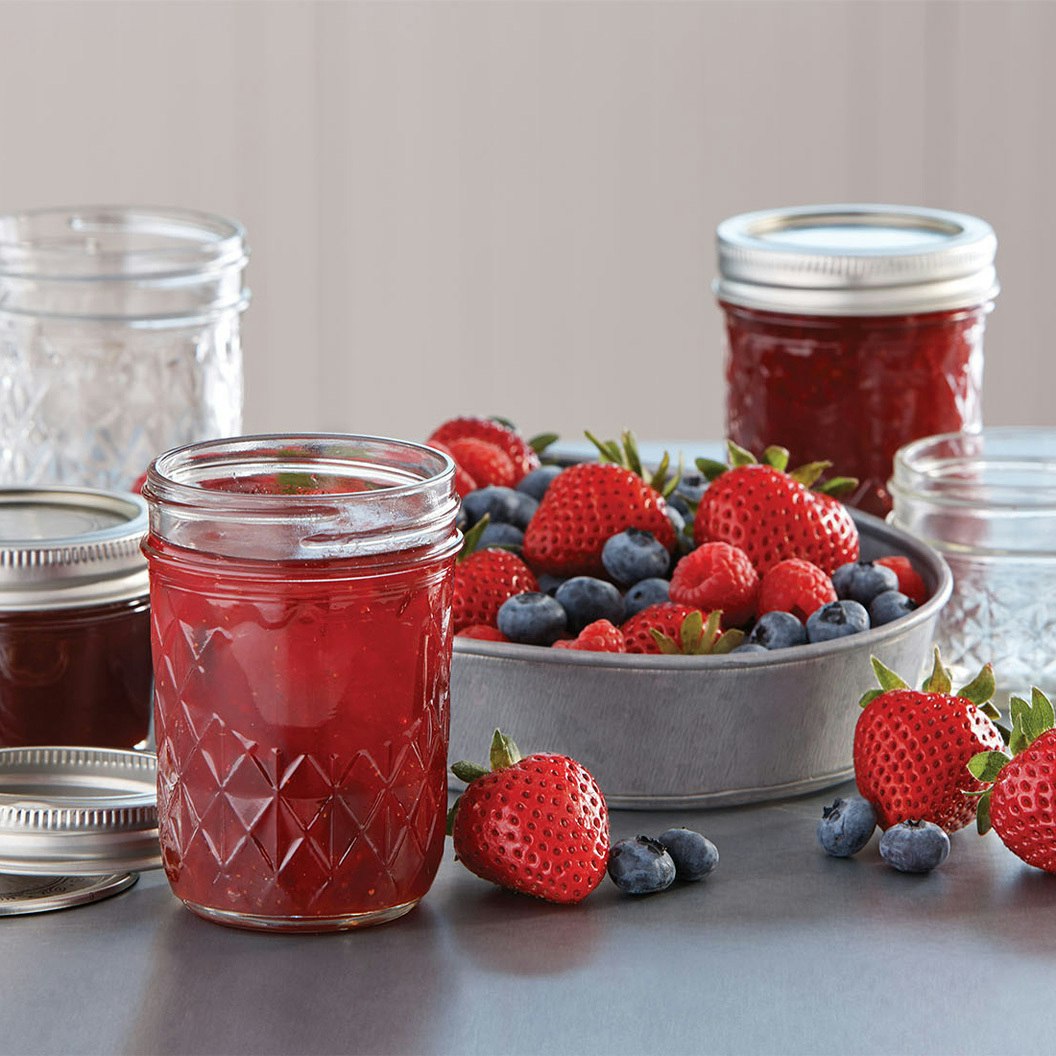
If you're making something that's safe for boiling-water canning, you may be able to use a large, deep stockpot you already own. You'll need a lid and a rack that keeps your jars from sitting directly on the bottom of the pot. The pot also needs to be deep enough to keep the jars covered with boiling water throughout processing.
Add proper canning jars and lids, a jar lifter, and a trusted recipe, and you've got the basics.
Important: A stockpot can take the place of a boiling-water canner for appropriate recipes, but it cannot replace a pressure canner when pressure canning is required.
More Ways to Preserve the Harvest
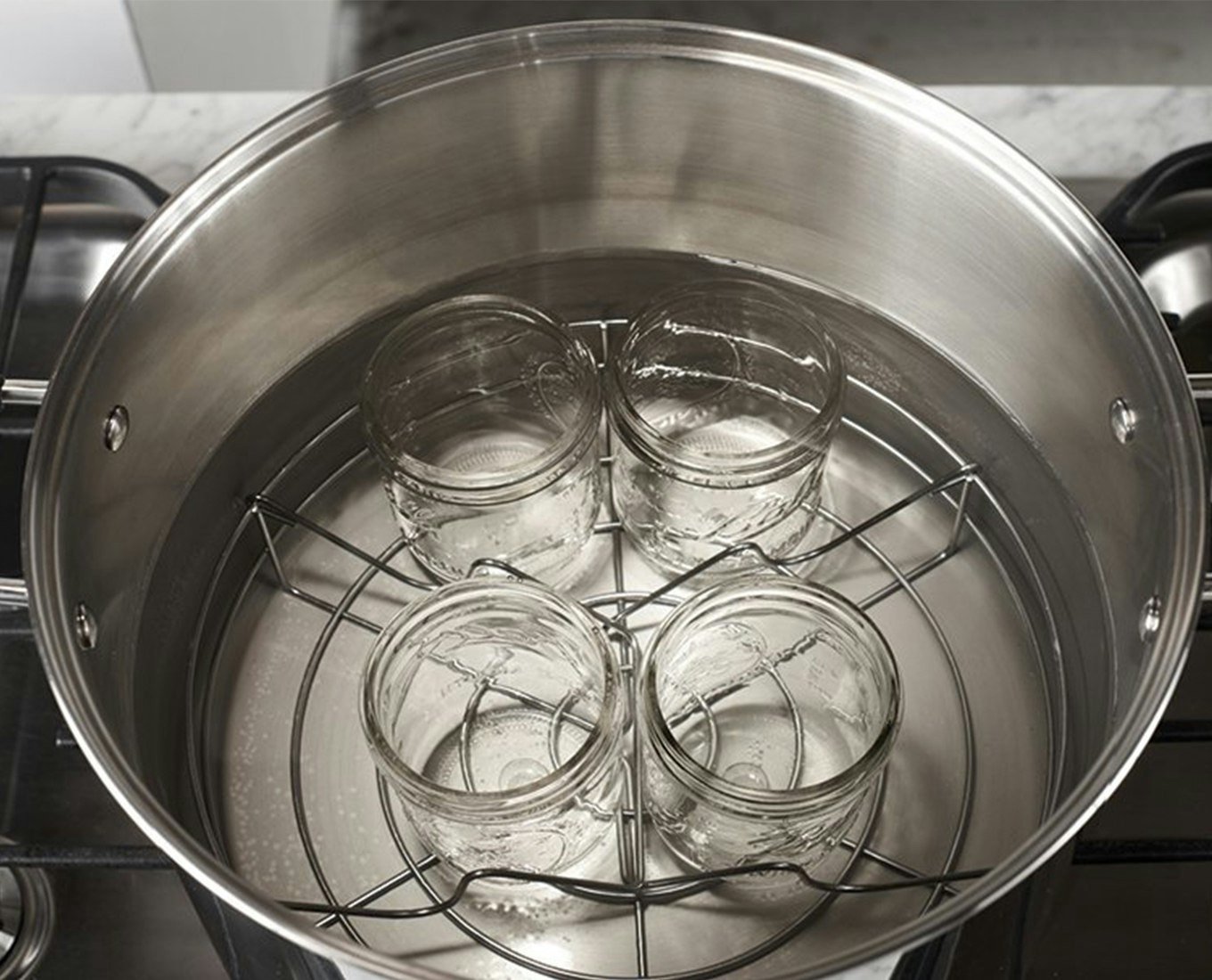
Canning isn't your only option! Sometimes the easiest preservation method is the one you'll actually use.
Freeze it. Sweet corn is a perfect example. Blanch it, cool it, cut it from the cob, and freeze it for a little taste of summer in the middle of winter. Berries, peaches, peppers, green beans, herbs, zucchini, pesto, soups, stocks, and plenty of other foods can also be frozen.
Make refrigerator pickles. Want homemade pickles without canning them for pantry storage? Refrigerator pickles are an easy place to start.
Dry it. Herbs like basil, oregano, thyme, rosemary, and mint can be dried and stored for later.
Ferment it. Sauerkraut and fermented pickles are classic examples of another preservation tradition that's been around for generations.
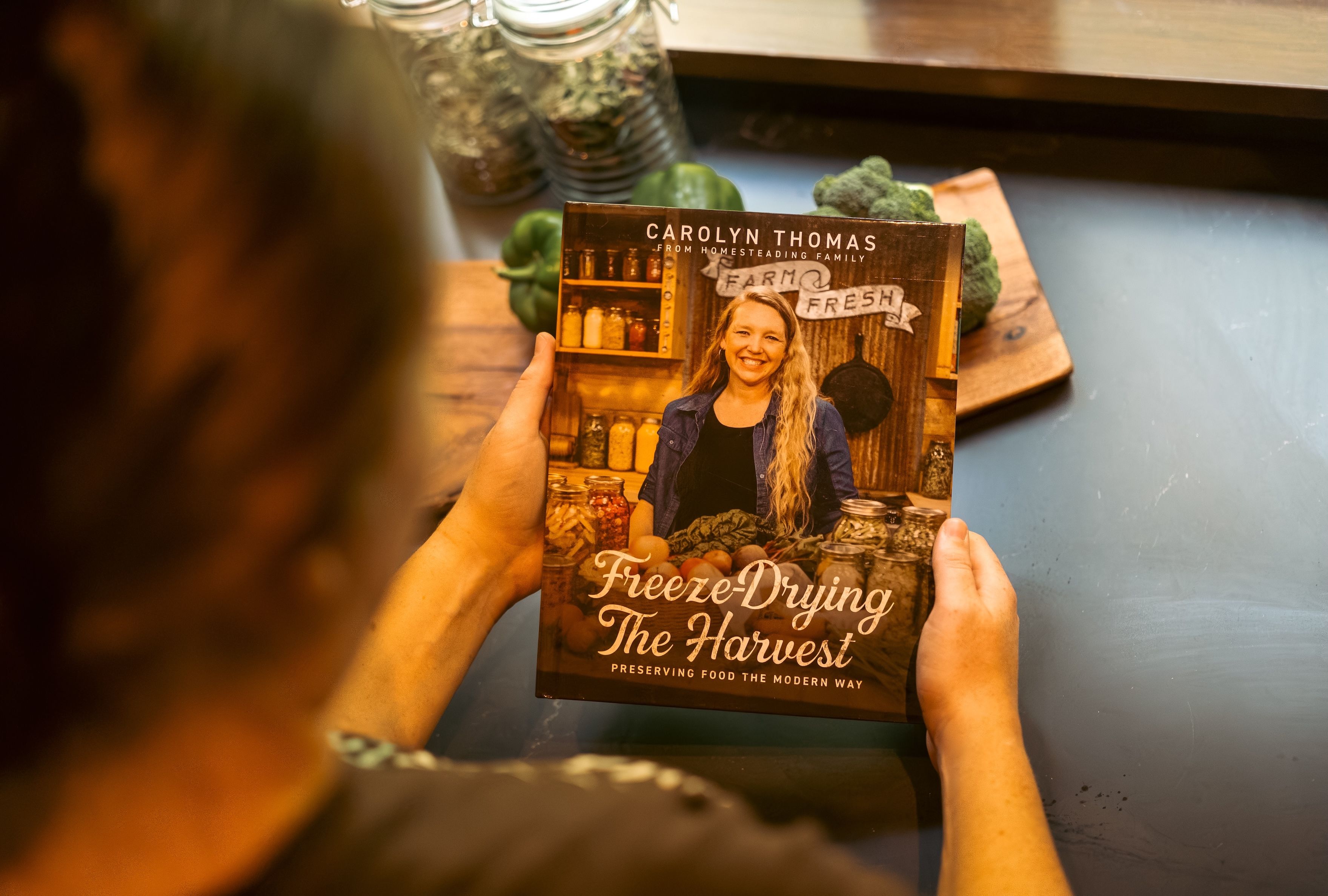
Freeze-dry it. For those ready to take food preservation to another level, freeze-drying can preserve fruits, vegetables, herbs, meals, and much more for long-term storage.
A Few Good Tools Go a Long Way
At Neighbors Mercantile, we love stocking products that help keep these practical traditions going.
You'll find Ball canning supplies, Kilner jars and preserving essentials, and Harvest Right products—including home freeze dryers—for those who want to preserve even more of the harvest.
But you don't have to do everything at once.
Start with a few jars of pickles. Freeze some sweet corn. Dry the herbs growing outside your kitchen window.
Preserving food can be as simple or as involved as you want it to be.
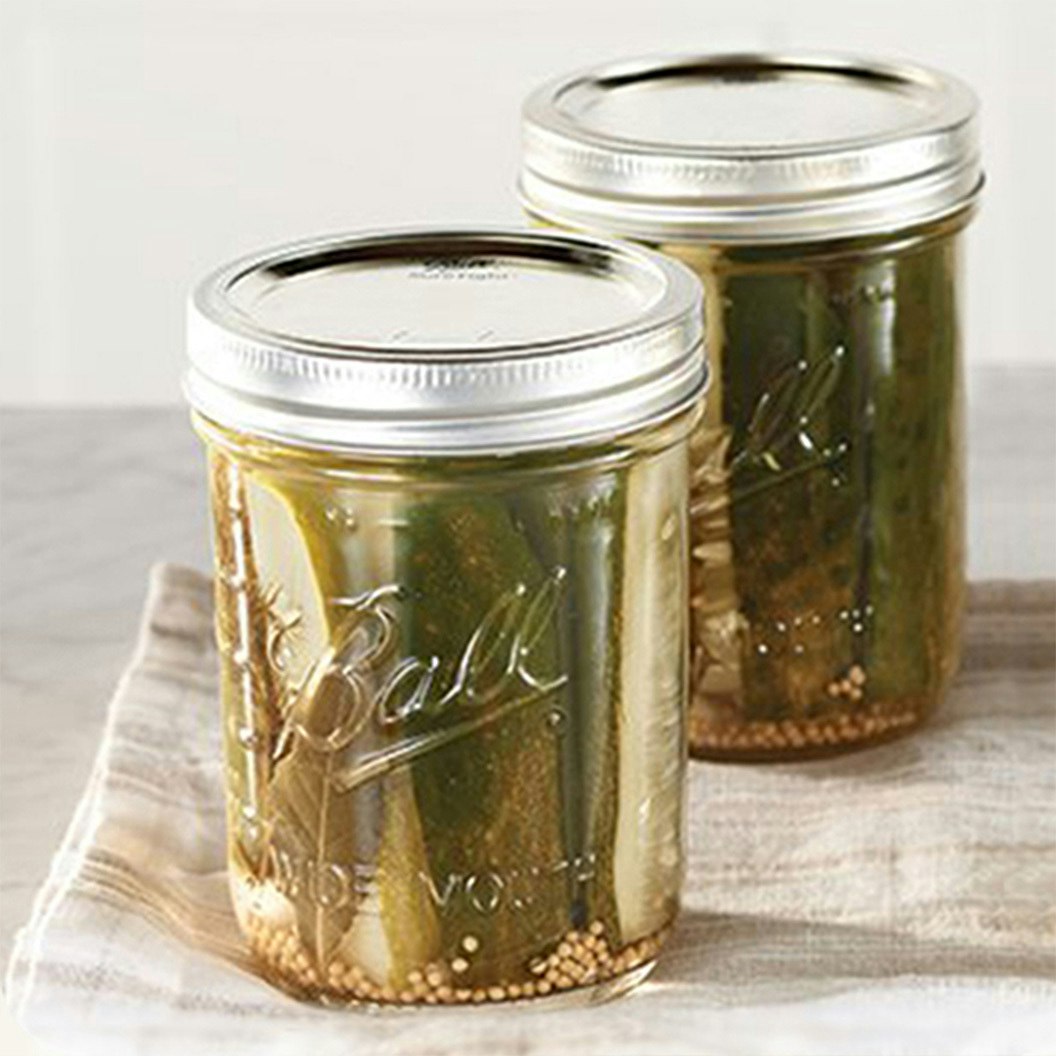
From the Garden to the Pantry
There's something satisfying about hearing the pop of a jar sealing on the counter or pulling summer sweet corn from the freezer on a cold January evening.
Maybe that's why preserving food feels right at home at Neighbors. It's about useful goods, practical skills, good food, and traditions worth keeping around.
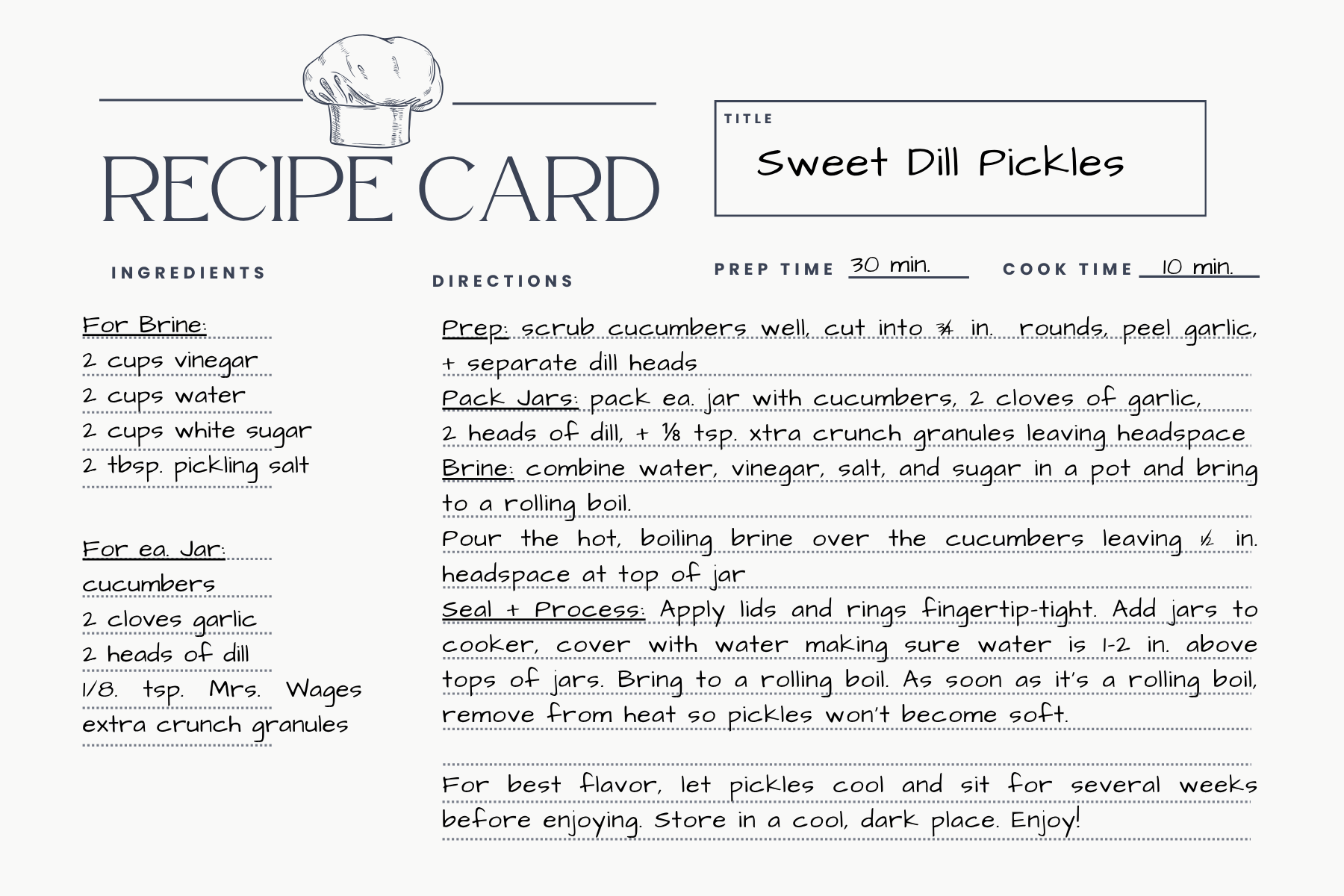
And speaking of traditions worth keeping around, we couldn't write a blog about canning without sharing a recipe that's extra special to us.
This pickle recipe comes straight from the mom of one of Neighbors Mercantile's owners. It's a favorite family recipe, and we're excited to pass it along to you.
Enjoy!
Food preservation should always be done using current, research-tested recipes and methods. Before using an heirloom or family recipe for shelf-stable canning, compare its ingredients and processing method with current USDA or National Center for Home Food Preservation recommendations.
Powered by Lightspeed
Display prices in:USD